


The companies that win in the next decade may look nothing like the companies that won in the last one.
For most of the last twenty years, venture capital had a relatively clear formula.
Build software.
Scale users.
Raise capital.
Expand globally.
The details changed, but the blueprint was largely understood.
Today, that blueprint appears to be breaking.
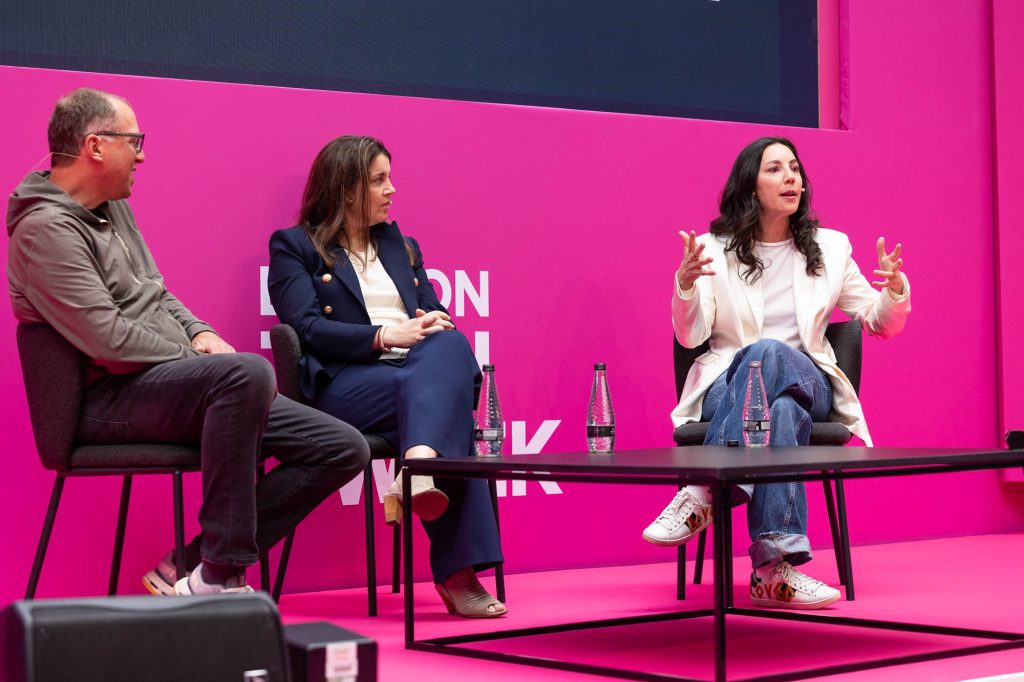
Last week at London Tech Week, I spent several days listening to founders, investors, operators, policymakers and technologists debate what comes next. Unsurprisingly, almost every conversation revolved around AI.
What surprised me was how little agreement there was about where value will ultimately accrue. Some argued AI infrastructure will capture the majority of the value. Others believed the winners will be the application layer businesses built on top of the infrastructure.
Some argued that AI will dramatically compress company building, allowing smaller teams to scale faster than ever before. Others argued the exact opposite: that technology is rapidly becoming commoditized and distribution is becoming more valuable than ever.
Nobody agreed.

The Real Scarcity
What struck me most was that while everyone was debating AI, very few people were talking about culture. Yet culture remains one of the few truly scarce assets in the modern economy. Technology gets cheaper. Software becomes easier to build. Models become increasingly accessible.
Attention does not.
Trust does not.
Audience does not.
The ability to influence consumer behaviour at scale remains extraordinarily difficult to replicate. And that is becoming increasingly important as technology itself becomes more accessible.
The New Distribution Advantage
At Sandbox Studios, this is increasingly how we think about investing.
Not simply identifying the next product.
But identifying:
- The next distribution advantage
- The next trusted audience
- The next community
- The next cultural platform
- The infrastructure layers that power them
The most interesting businesses we see today increasingly sit at the intersection of culture, distribution, commerce, celebrity, community and technology. AI may accelerate company creation, but it does not automatically create consumer trust.
It does not create loyalty.
And it certainly does not create cultural relevance.
The Bottom Line
If London Tech Week proved anything, it’s that nobody knows exactly what the next decade will look like.
Not the founders.
Not the investors.
Not the policymakers.
Not even the AI companies themselves.
But one thing feels increasingly clear. Technology is becoming easier to build. Distribution is becoming harder to earn.
And in a world where everyone has access to the same tools, the ability to capture attention, build trust, and create cultural relevance may become the most valuable competitive advantage of all.
That’s what we’ll be watching closely.